
Every breath lifts your chest by a few millimetres. Every heartbeat moves it by far less. A Kardian sensor sends out a tiny radio pulse, listens for the echo off your chest, and times it precisely enough to follow both, all night, without touching you.

An impulse radar sends a very short radio pulse, centred near 7.3 gigahertz, fifteen million times a second.
The pulse reflects off the body. The time it takes to come back tells the sensor how far away the chest wall is.
As the chest rises and falls, the distance changes by millimetres. The heartbeat adds a far smaller movement on top.
Software separates the slow rhythm of breathing from the faster rhythm of the heart, and reads both.
It runs at more than a hundred times less power than a home Wi-Fi router.
Higher-frequency radar is more readily reflected by a duvet, a pillow or thick clothing, so the echo can come from the blanket instead of the chest. Kardian's impulse radar, from 6.5 to 8.5 gigahertz, passes through a duvet, a topper and clothing to the chest wall, in any sleeping position.
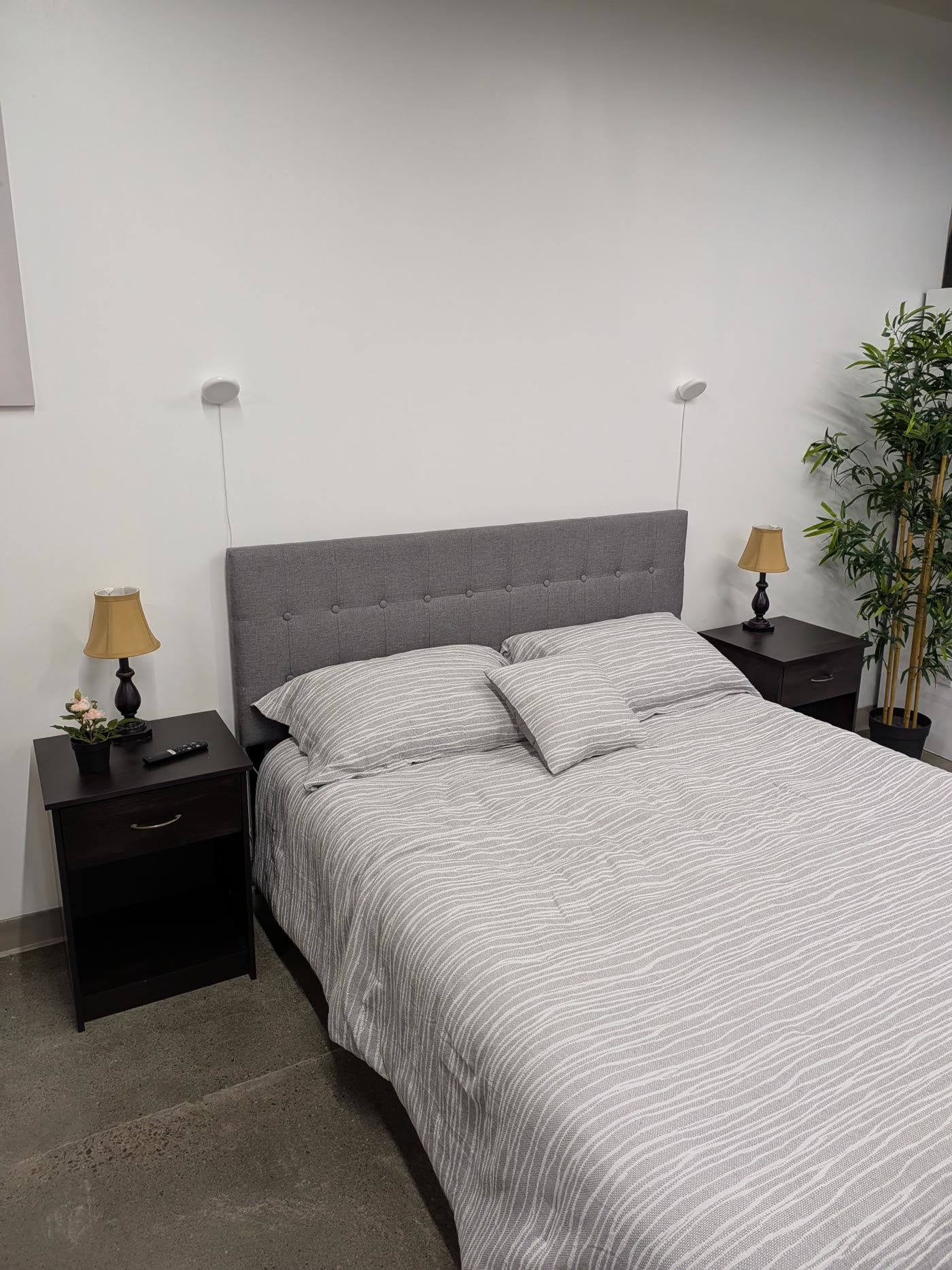
Heart rate and breathing are read while you lie still. Turning over or getting up shows as movement and time out of bed.
It reads the person nearest to it. Two in the bed: one sensor each, above each side. If it picks up two sets of vital signs, it pauses.
Heart rate up to about 3 metres and breathing up to about 7, across a field of about 130 degrees.
There is no lens. Radar reads movement; it cannot see a face or a room.
It cannot hear a word.
The sensing has been tested against hospital references in peer-reviewed studies. In one, breathing rate came within about one breath a minute of a physician's count, on average, across 33 patients (Scientific Reports, 2019). The clinical XK300 is FDA-cleared (510(k) K202464) for measuring heart rate and breathing rate in adults, and has been used in hospitals and nursing homes since 2021.
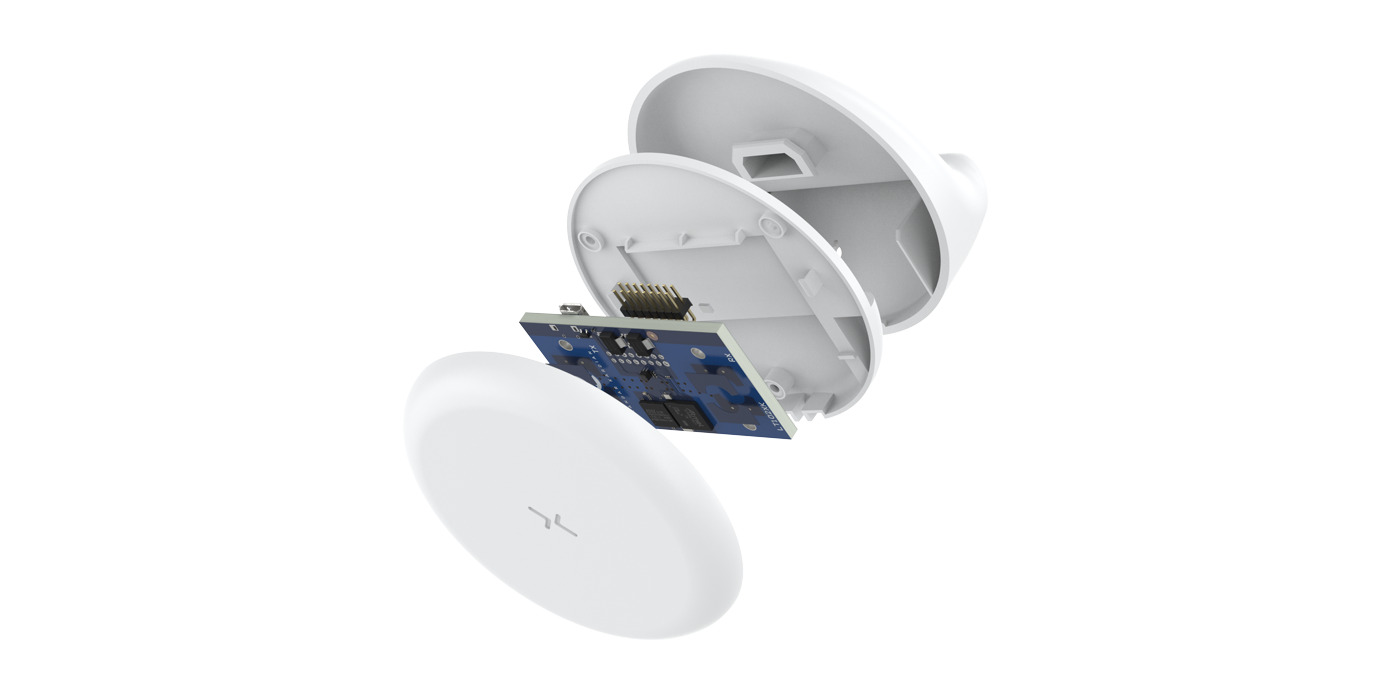
Kardian Somily is a separate general wellness product built on Xandar Kardian's radar technology; it is not the cleared device, does not diagnose, and is not an alarm. XK does not predict or diagnose health events.
Each heartbeat moves the chest wall slightly. The sensor times the echo of a radio pulse off the chest precisely enough to follow that movement, and separates it from the larger, slower movement of breathing.
Yes. The radar runs at more than a hundred times less power than the Wi-Fi router already in your home, and this radar technology has been used in hospitals and nursing homes since 2021.
Yes. The wavelength passes through a duvet, a topper and clothing, in any sleeping position.
No. There is no camera and no microphone. Radar reads movement; it cannot see a face or hear a word.
Heart rate up to about 3 metres and breathing up to about 7 metres, across a field of about 130 degrees. Above the headboard, about 1.5 metres from the floor, is typical.