Pick one to compare, or read all four.
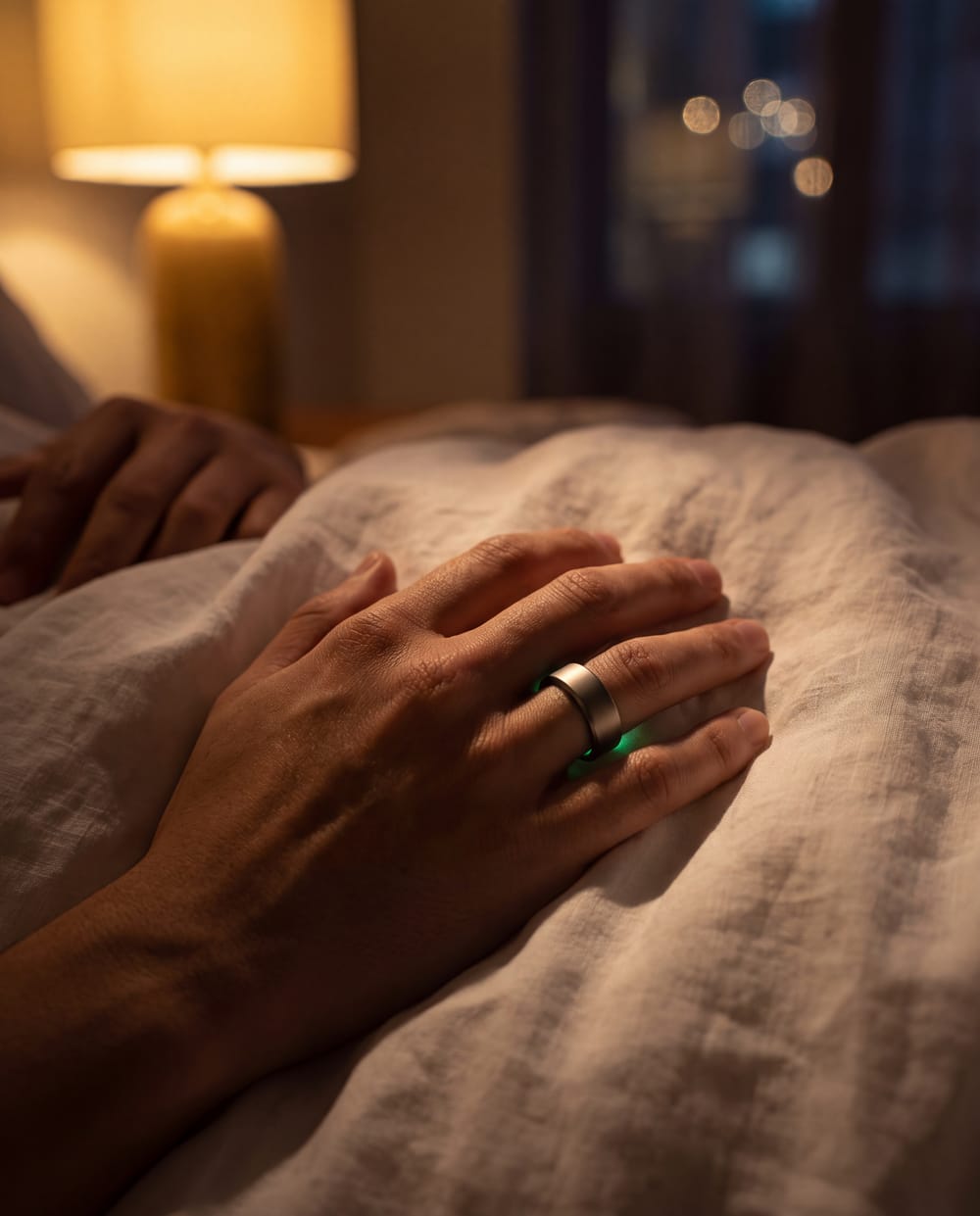
Already wear a ring? Keep it. This is a different measurement, and the two sit well together.
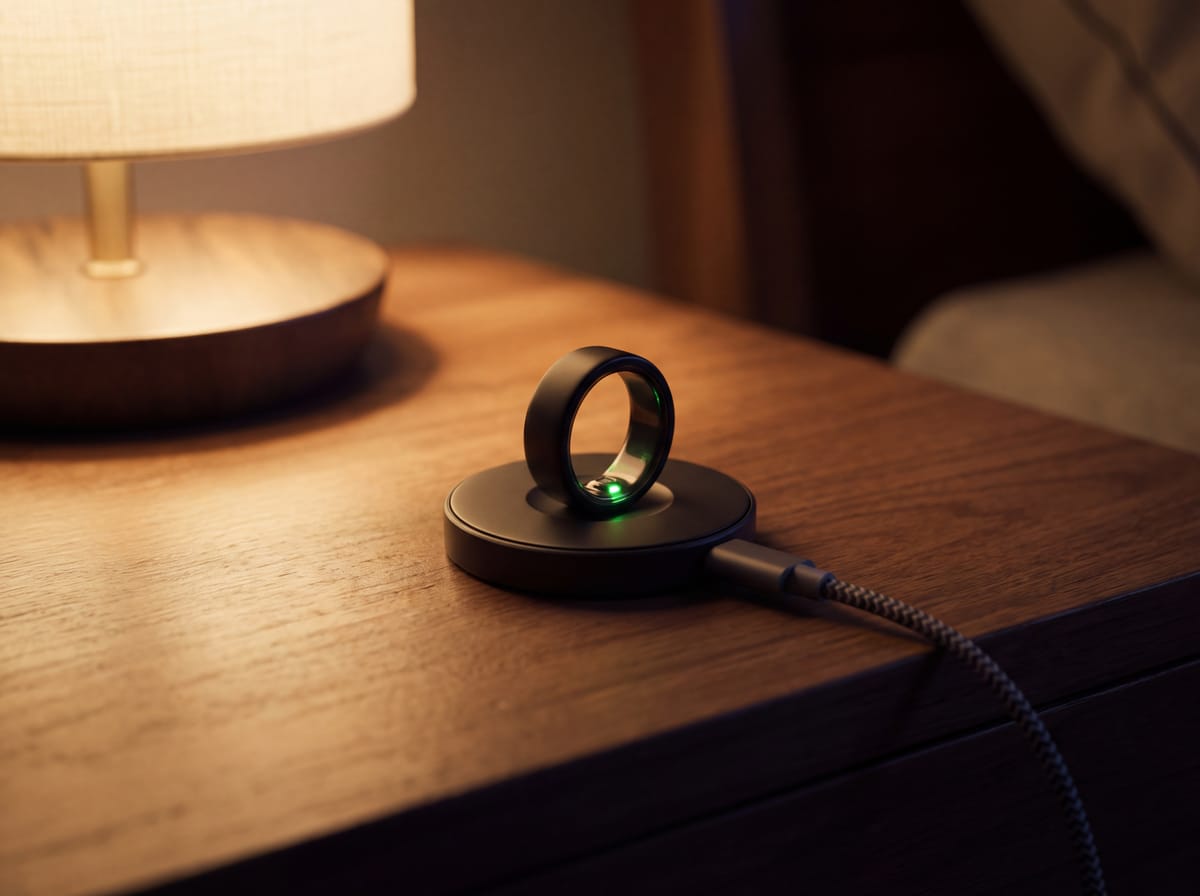
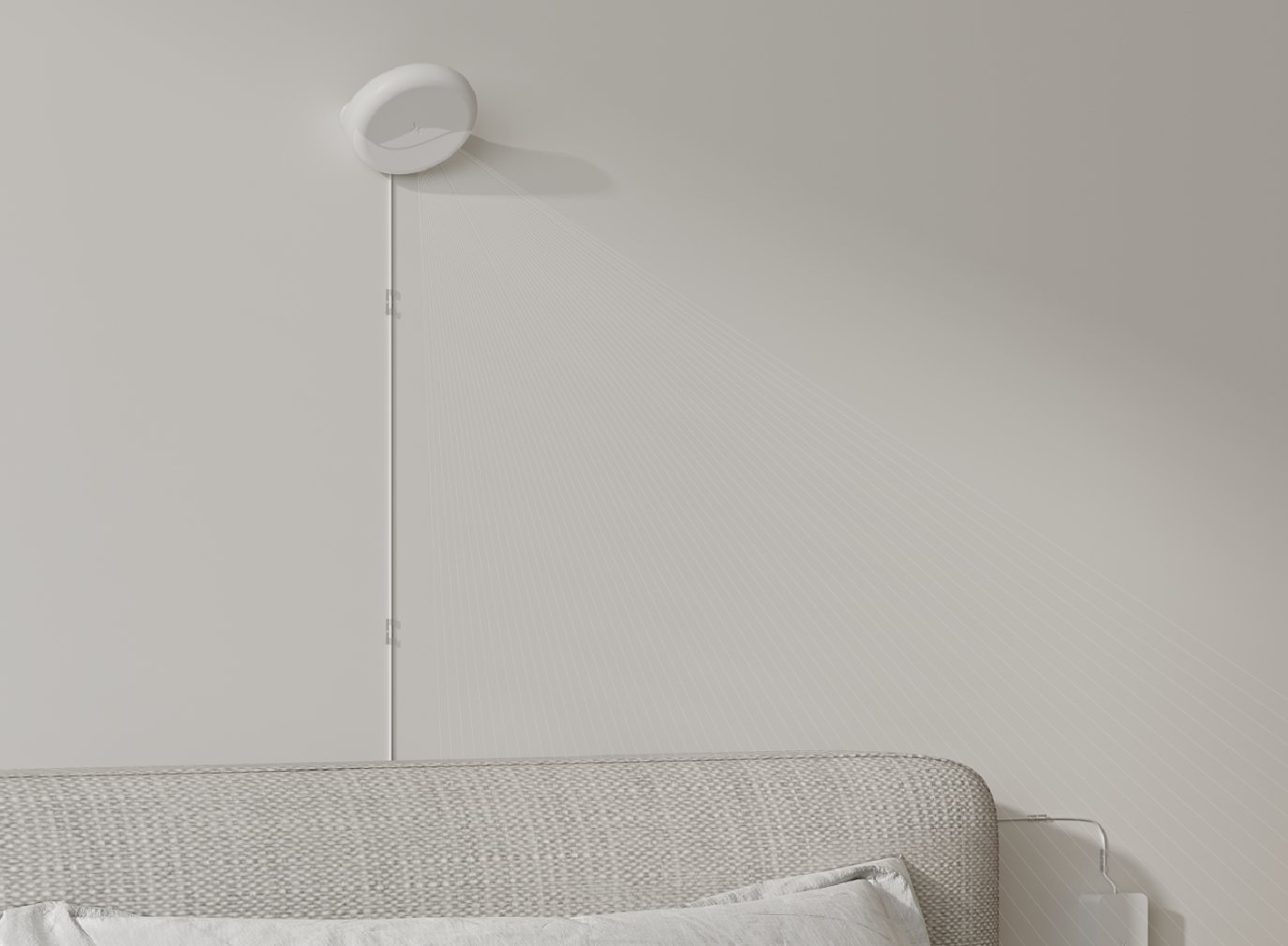

Illustration of the kinds of things recorded in one night. Not a real recording.
| Ring | Kardian | |
|---|---|---|
| Worn on the body | Your finger | Nothing |
| Charging | Every few days | Plug in once |
| How it senses | Light into the skin | Radio, about 7.3 GHz |
| Breathing | Estimated from the pulse | Measured at the chest |
| Breathing rhythm | ||
| Heart-rate variability | ||
| Sleep stages | ||
| Skin temperature | ||
| Bed exits | Inferred | Read directly |
| Body movement | One hand | Head to toe |
| Steps and workouts |
The XK300 radar against a physician counting breaths.
Carotid pulse rate read by the radar, against an ECG.
We could not find a published validation of ring breathing rate against a clinical reference.
Four-stage agreement published for the best-studied rings. A strength we do not try to match.
Kardian radar against capnography, the lab reference for breathing rate: within 1.18 breaths a minute.
Light on a finger and radio from the wall do not interfere. Wear both.
A range tells you little. Your own number tells you a lot.
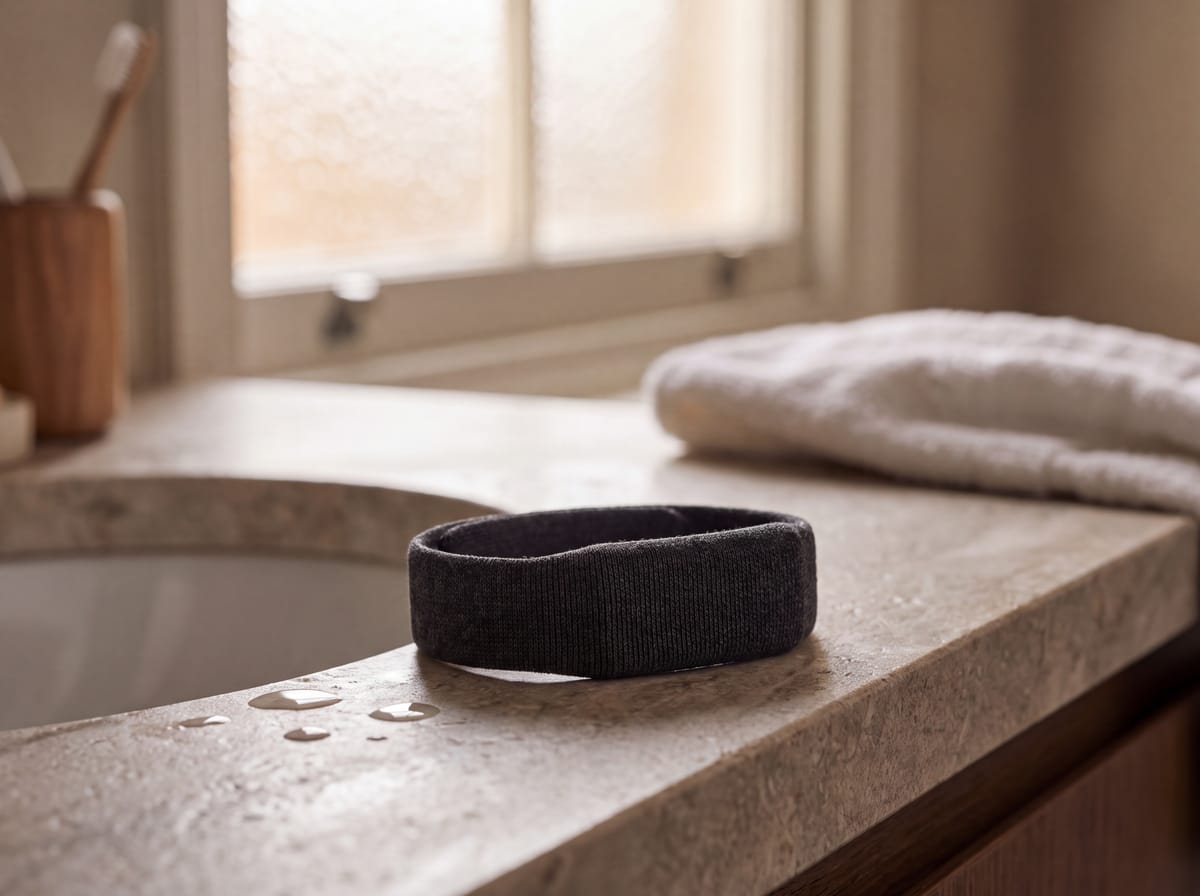

Illustration of a typical month, based on readings arriving on about 70% of days over months in a 6,595-person programme (Smith et al., Healthcare, 2024). Kardian reads every night you are in bed; nothing to charge or put on.
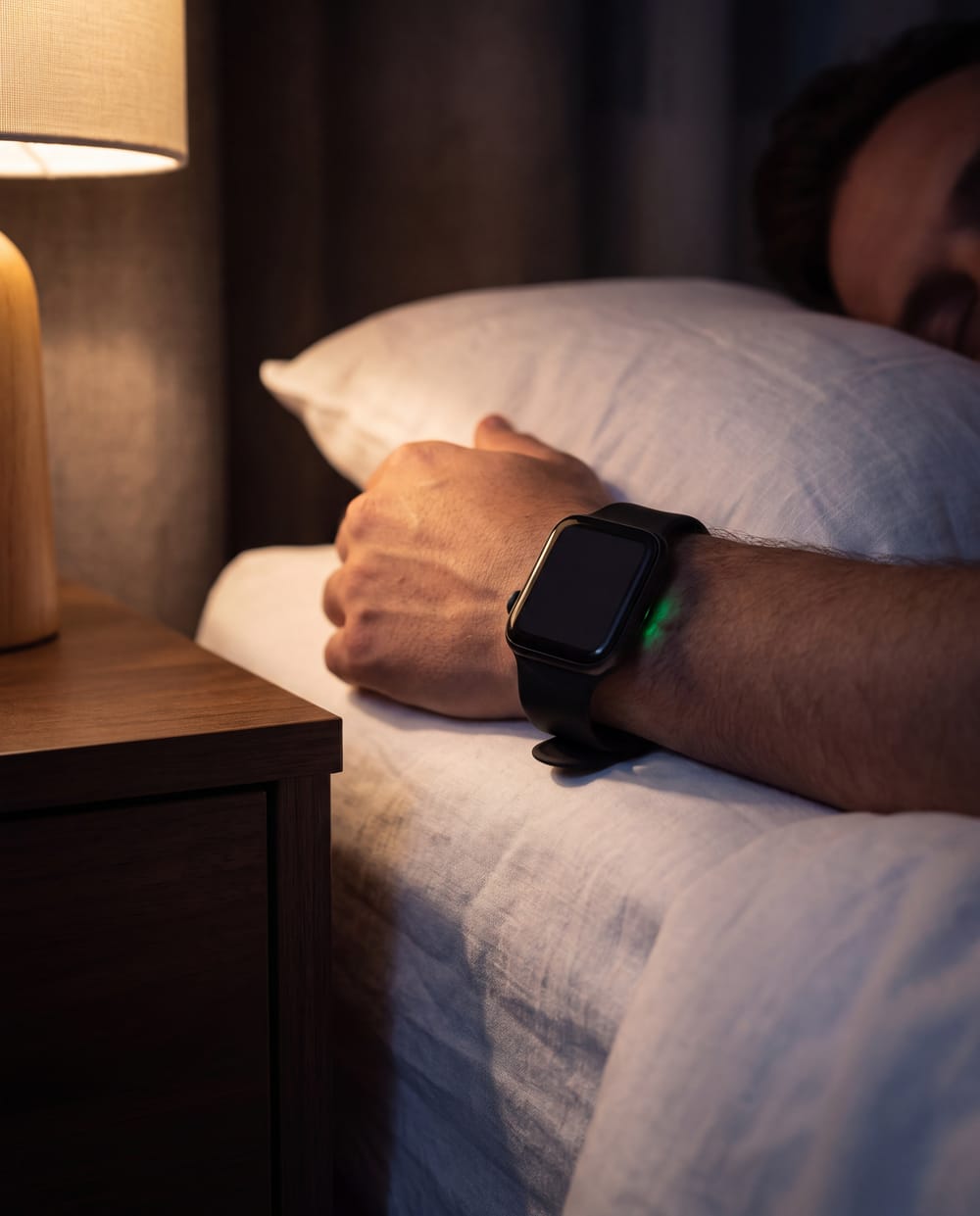
| Wrist-worn wearable | Kardian | |
|---|---|---|
| Worn on the body | Your wrist | Nothing |
| Charging | Every day or few | Plug in once |
| Reads when forgotten | ||
| Breathing | Estimated from the pulse | Measured at the chest |
| A flat battery | Often looks like a quiet night | No battery |
| Parts that wear | Battery, strap | None |
| Daytime and activity | ||
| Heart-rate variability |
Illustration. Each dot is one night. A range that wide cannot tell a normal night from an unusual one; a baseline this tight can.
In a hypertension programme of 6,595 people, readings arrived on about 70% of enrolled days.
In a Medicaid diabetes programme, fewer than half sent readings on 80% of days.
Charging, forgetting, a trip away. Most people who track daily still miss a night or two a week.
On most charts a flat battery simply looks like no data, with no alert.
Within 1.18 breaths a minute of end-tidal CO₂, the lab reference. A wrist device estimates breathing from the pulse.
A wrist device estimates breathing from small changes in the pulse. Kardian reads the chest rising.
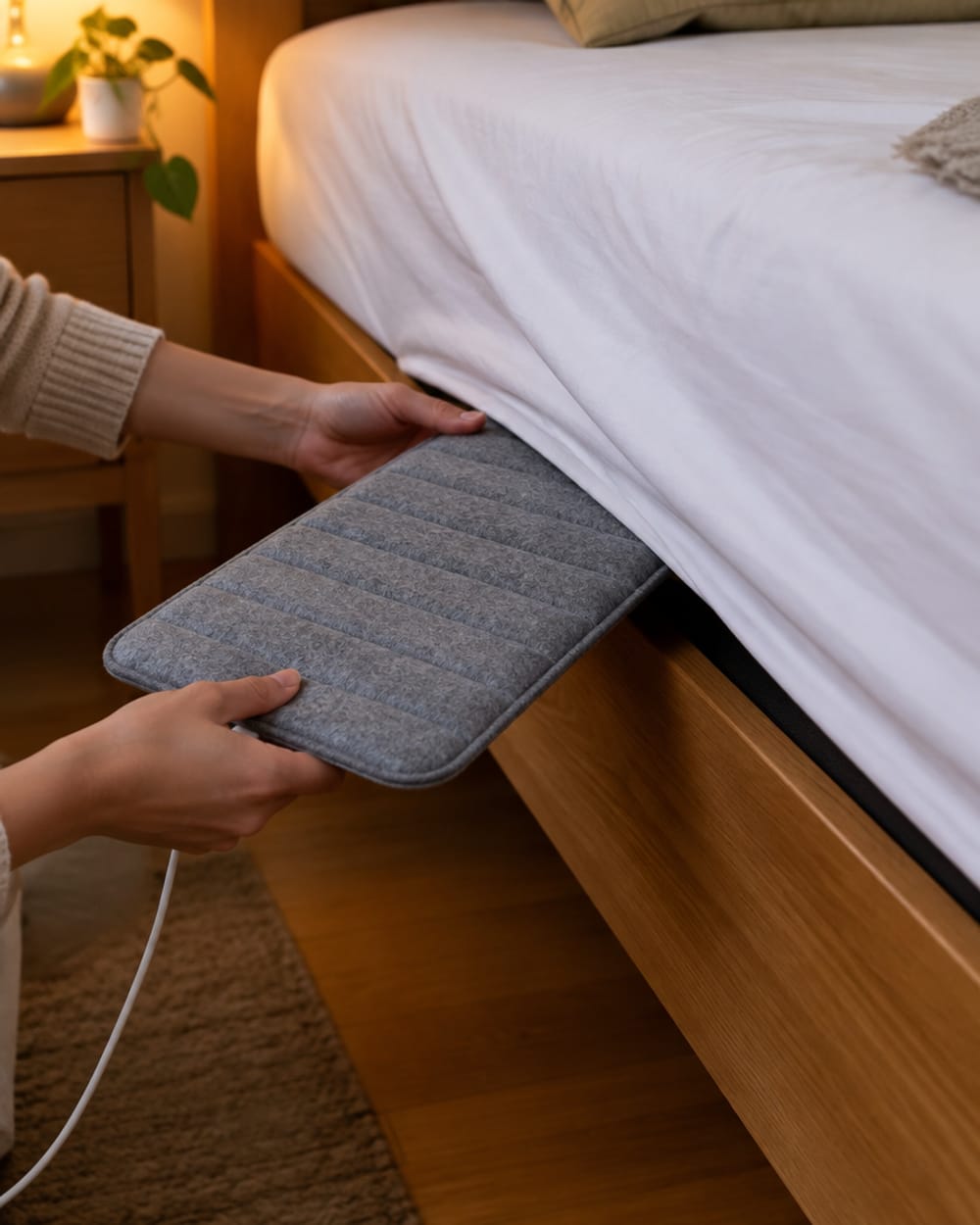
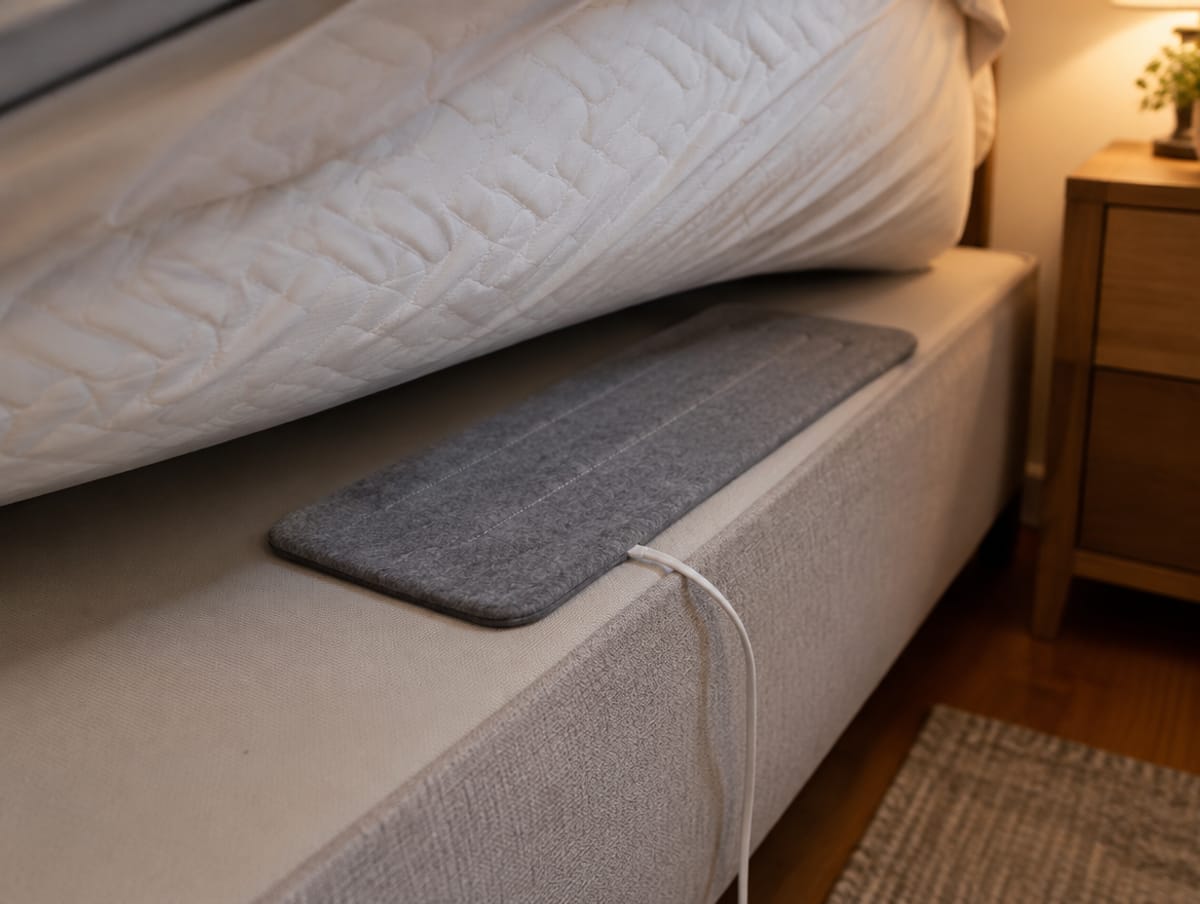
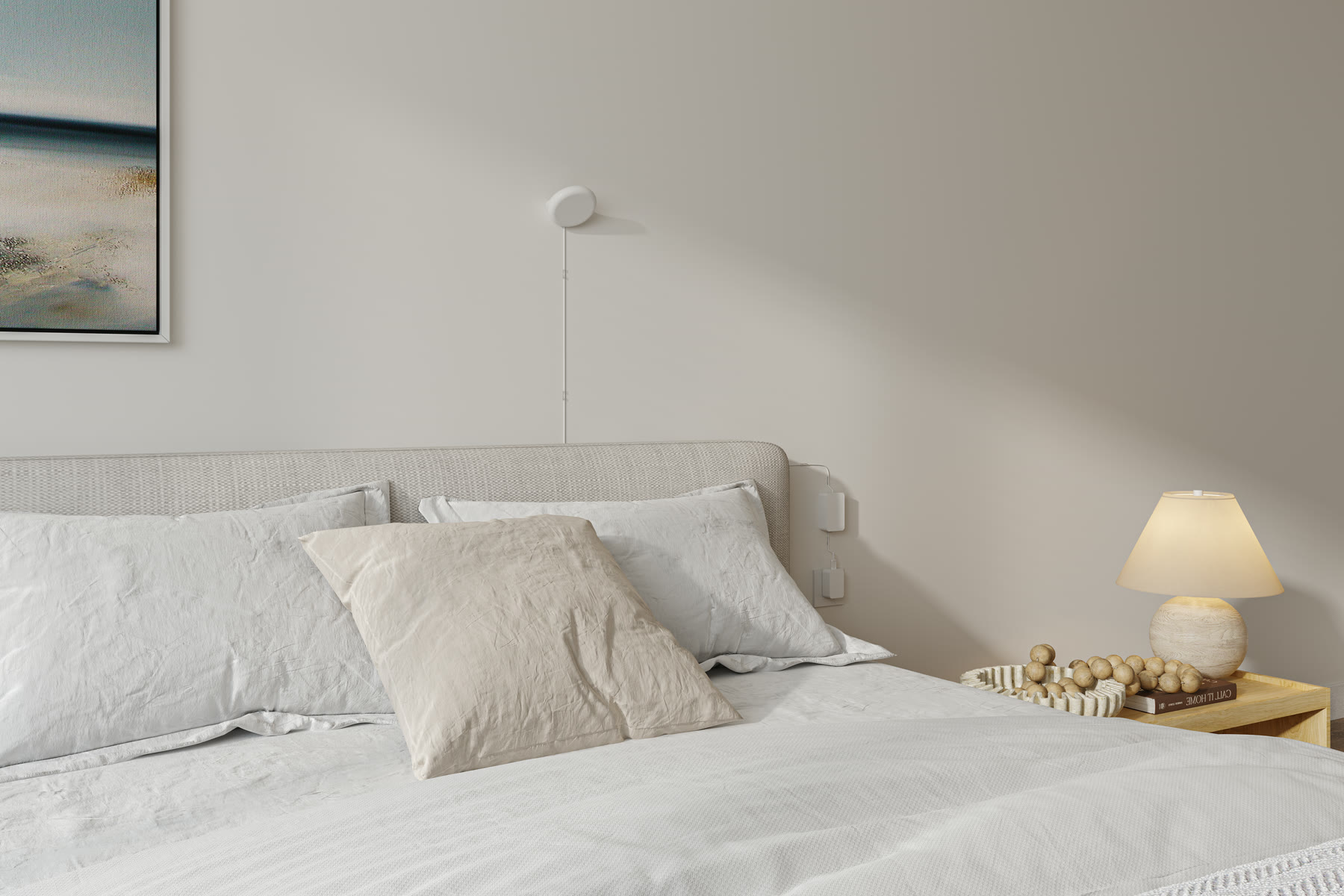
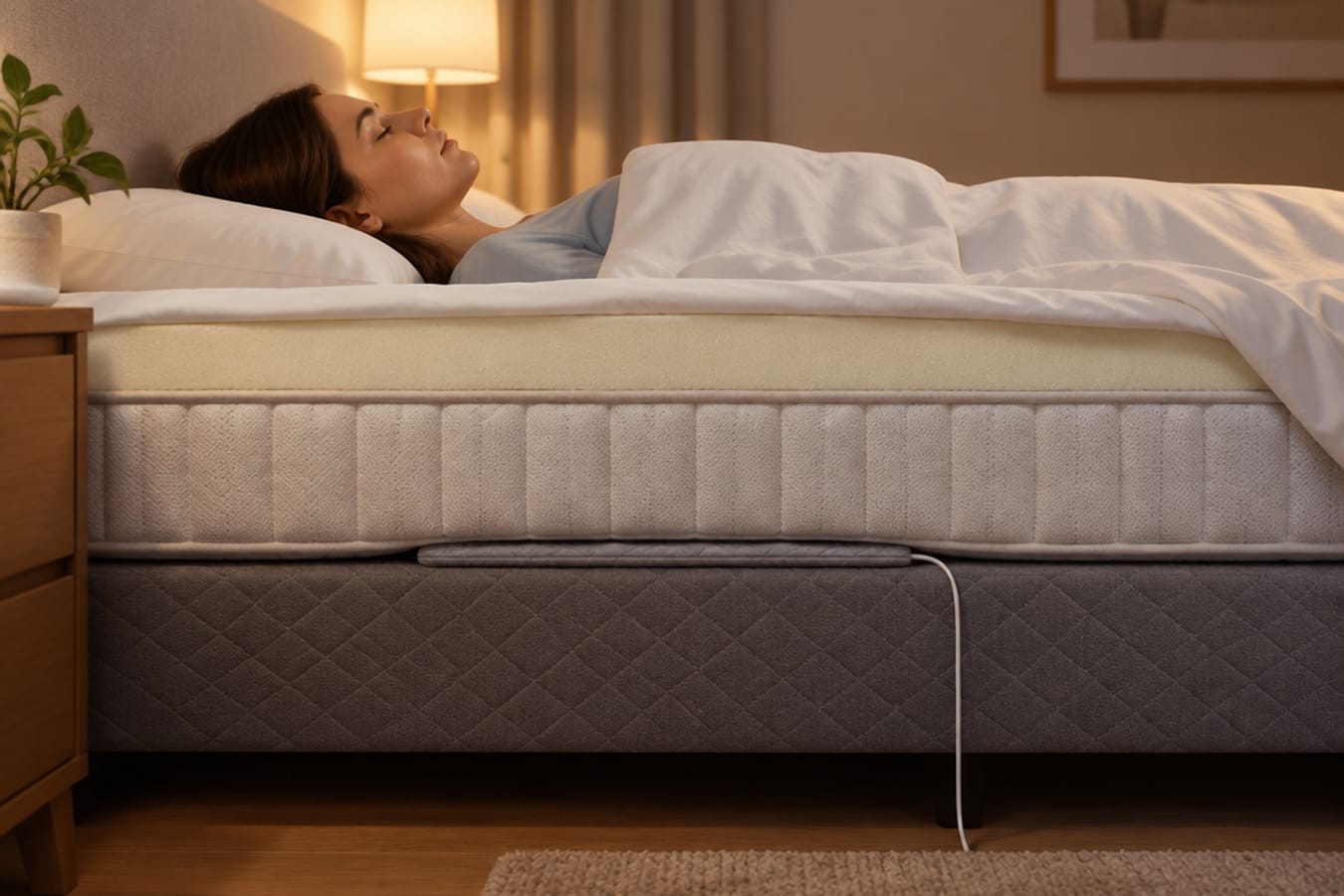
A pad reads the bed. So the bed decides what it reads.
| Under-mattress pad | Kardian | |
|---|---|---|
| Where it goes | Under the mattress, at the chest | On the wall |
| What it reads | A push through the mattress | Chest movement, by radio |
| Your weight on it | Yes | No |
| Mattress type | Exclusions stated by makers | Any foam thickness |
| Lying on your side | Reported as a problem | Back or side |
| Weight limit | Up to 159 kg indicated | None |
| A second person | Changes the signal | Not in the path |
| Parts that wear | Pad; replacement documented | None |
Kardian entries describe the XK300 radar that Kardian products are built on.
Illustration, not a recording. Beats can be counted in both; the mattress acts like a spring and smooths the shape of each beat on the way to the pad.
An under-mattress system tended to "double read" heart rate from air-mattress vibration, and could not read people on air mattresses.
In some instances, vital signs could not be read for people lying on their side.
One maker says not to use its pad with waterbeds, air beds or articulated mattresses, and tested on mattresses 10 to 40 cm thick.
Accuracy studied in adults under 111 kg; indicated for adults up to 159 kg.
At least one maker tells users to ignore the data when someone else lies on the pad.
A hospital pad was documented as needing replacement every year; a consumer air pad lists a 3-year life.
Radar is not one thing. Wave length decides what it can see through.
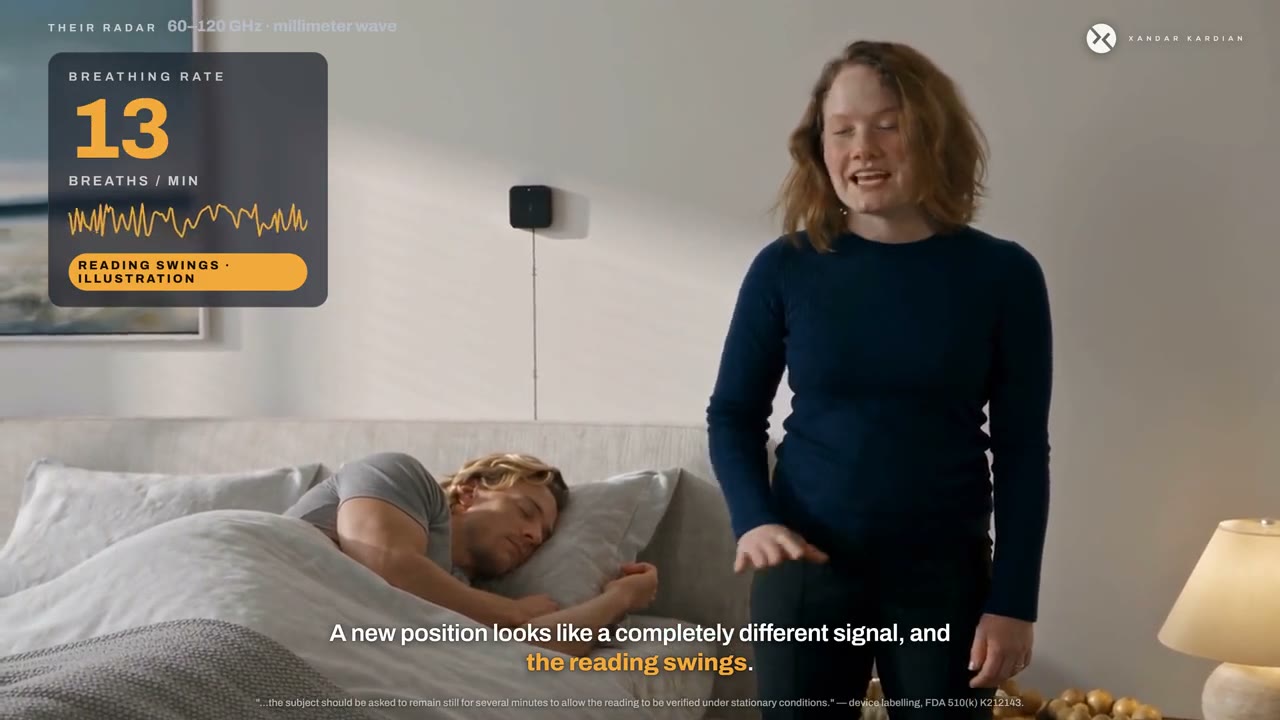
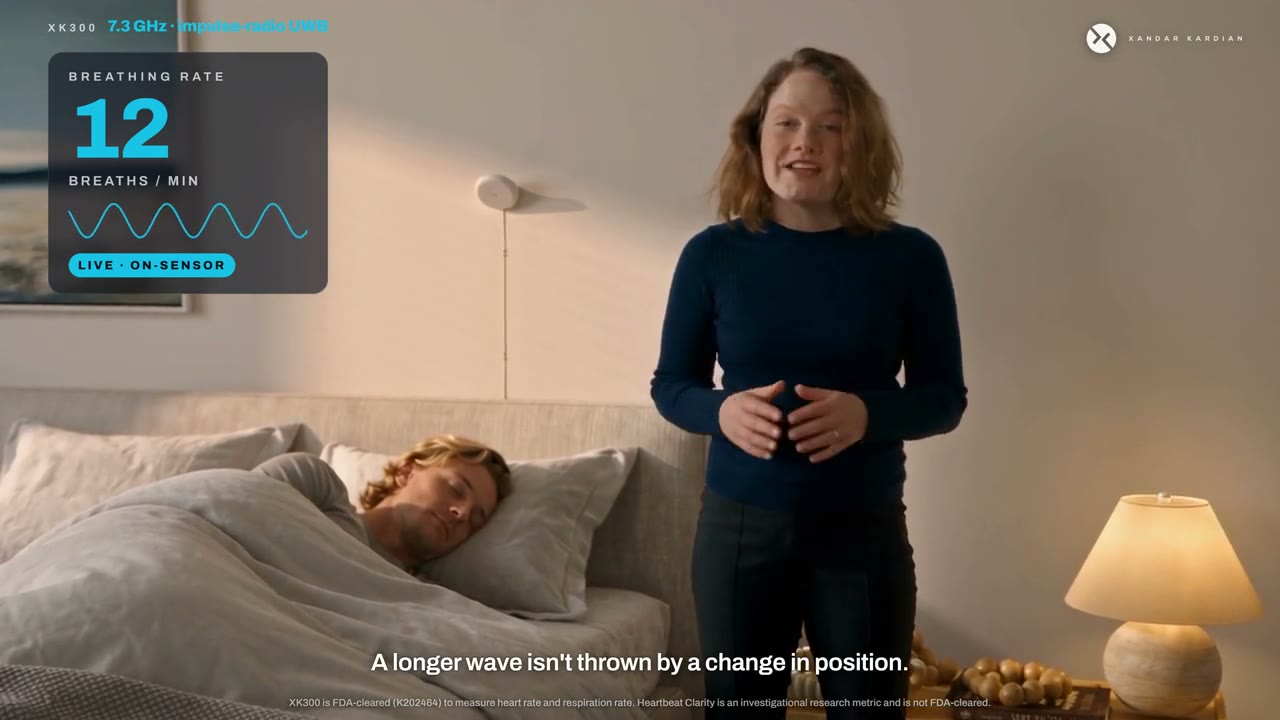
Wave length is the speed of light divided by frequency. A wave a few millimetres long reflects from the first soft surface it meets; a wave about 4 cm long carries through bedding to the chest.
"… should be positioned 1.0 meter (3.0 feet) or less": a cleared 60 GHz device's FDA summary. "XK300 monitors presence or absence of a patient in a detection area of within 7 meters": XK300 FDA summary, K202464. Not to scale.
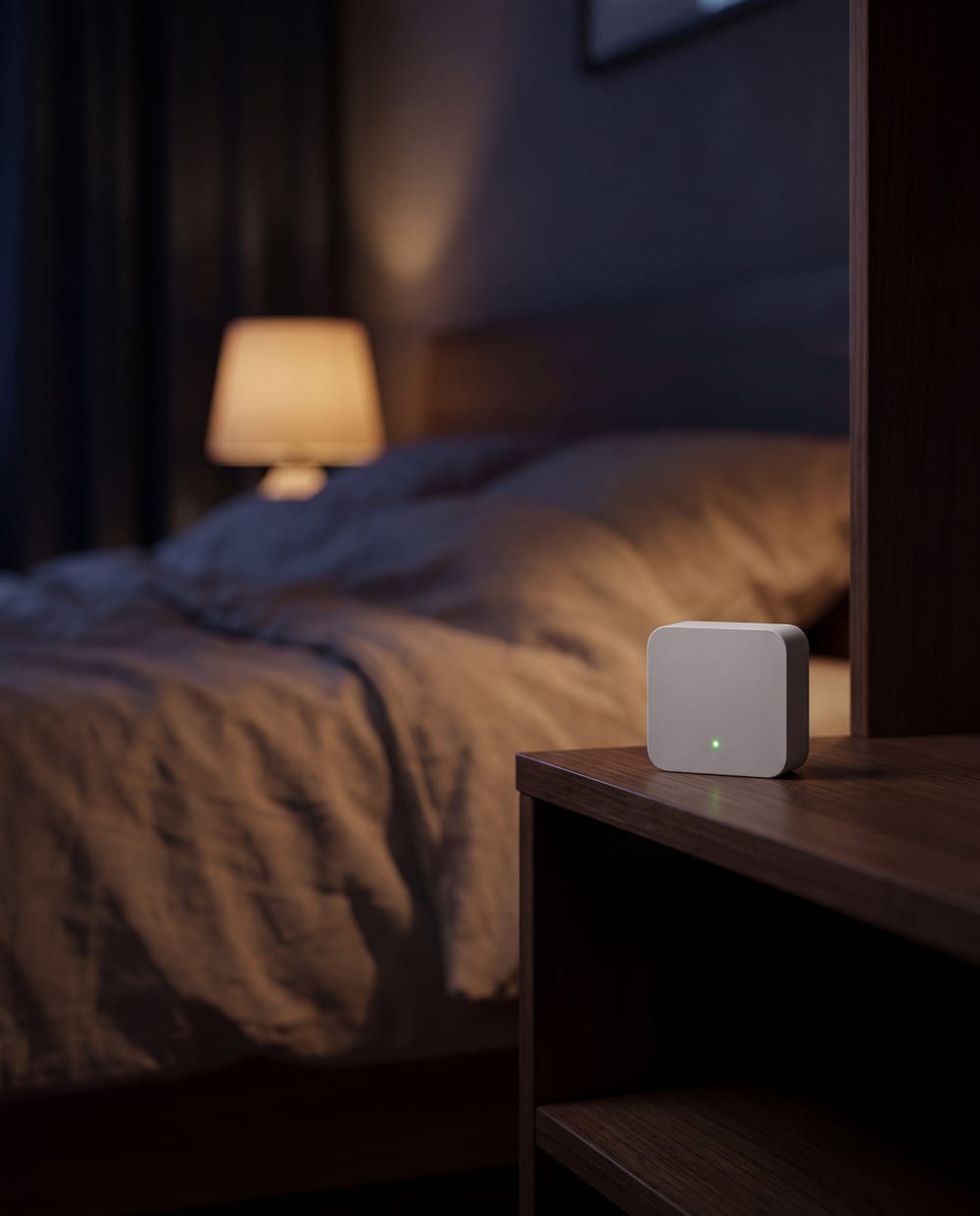
| Other radar | Kardian | |
|---|---|---|
| Frequency | 60 or 122 GHz | About 7.3 GHz |
| One wave | 2.5 to 5 mm | About 41 mm |
| Through a duvet | Degraded or blocked | Passes through |
| Rolling onto your side | Signal can change completely | Changes far less |
| Distance in the filing | 1.0 m or less, to the side | Within 7 m |
| Through a housing or panel | Stopped by many materials | Passes through |
| Nothing worn | ||
| No camera |
At 122 GHz the wave does not get through a duvet; at 60 GHz it is degraded. At 7.3 GHz it passes through the way Wi-Fi passes through a wall.
The shorter the wave, the more a small change matters. Roll onto your side and a millimetre-wave return can change completely.
"XK300 monitors presence or absence of a patient in a detection area of within 7 meters."
"… should be positioned 1.0 meter (3.0 feet) or less", to the side of the person.
Heart rate and breathing are read when the person is still. The difference is how close, and how uncovered, you have to be.
A longer wave carries through a protective cover or ceiling tile that stops a millimetre wave.
| Ring or wrist-worn | 60 GHz radar | 122 GHz radar | Under-mattress pad | Kardian · 7.3 GHz | |
|---|---|---|---|---|---|
| Anything worn or charged | Yes | No | No | No | No |
| How breathing is obtained | Estimated from the pulse | Chest motion | Chest motion | Force through the mattress | Chest motion, waveform kept |
| Distance stated in a filing | On the body | 1.0 m or less, to the side | In range, at rest | Under the person | Within 7 m |
| Position | Any | Sensitive to position changes | Very sensitive to position changes | Side-lying reported as a problem | Back or side |
| Bedding | Not relevant | Degraded through a duvet | Does not pass through a duvet | Part of the signal path | Reads through bedding |
| Mattress type | Not relevant | Not relevant | Not relevant | Exclusions stated | Any thickness; not through water or coil springs |
| Weight limit in labelling | Sizing | — | — | Under 111 kg studied; up to 159 kg indicated | None |
| Part that carries load or wears | Battery, strap, adhesive | None | None | Pad; replacement documented | None |
| Away from the bed | Yes, all day | Close range only | Close range only | No | Room presence and motion |
"—" means the documents we reviewed do not state it. Entries describe technology categories from regulators' and makers' published documents, not any single product. Kardian entries describe the XK300 radar. Ask us for the full references.
Kardian Somily is a wellness product. The XK300 Essence is FDA 510(k) cleared (K202464), prescription only. Read the science.